
Designing a custom home is exciting.
For Builders / GCs
Building it is where reality begins.
Avilo Design
Today, almost all project communication flows through the builder or PM. Every change, question, clarification, homeowner request, trade conflict, and field decision eventually lands on the same person.
The problem is that good PMs are extremely hard to keep. Once someone becomes truly strong at managing custom homes, they often leave and become builders themselves.
At the same time, most projects today are budgeted before real coordination happens. The homeowner wants one thing, the budget allows another, and the project slowly turns into a constant chain of compromises and changes during construction.
As changes happen, information becomes fragmented:
calls, texts, walkthroughs, verbal approvals, screenshots, trade conversations. Months later, nobody can fully reconstruct who decided what and when.
But the responsibility still lands on the builder.
Get In Touch
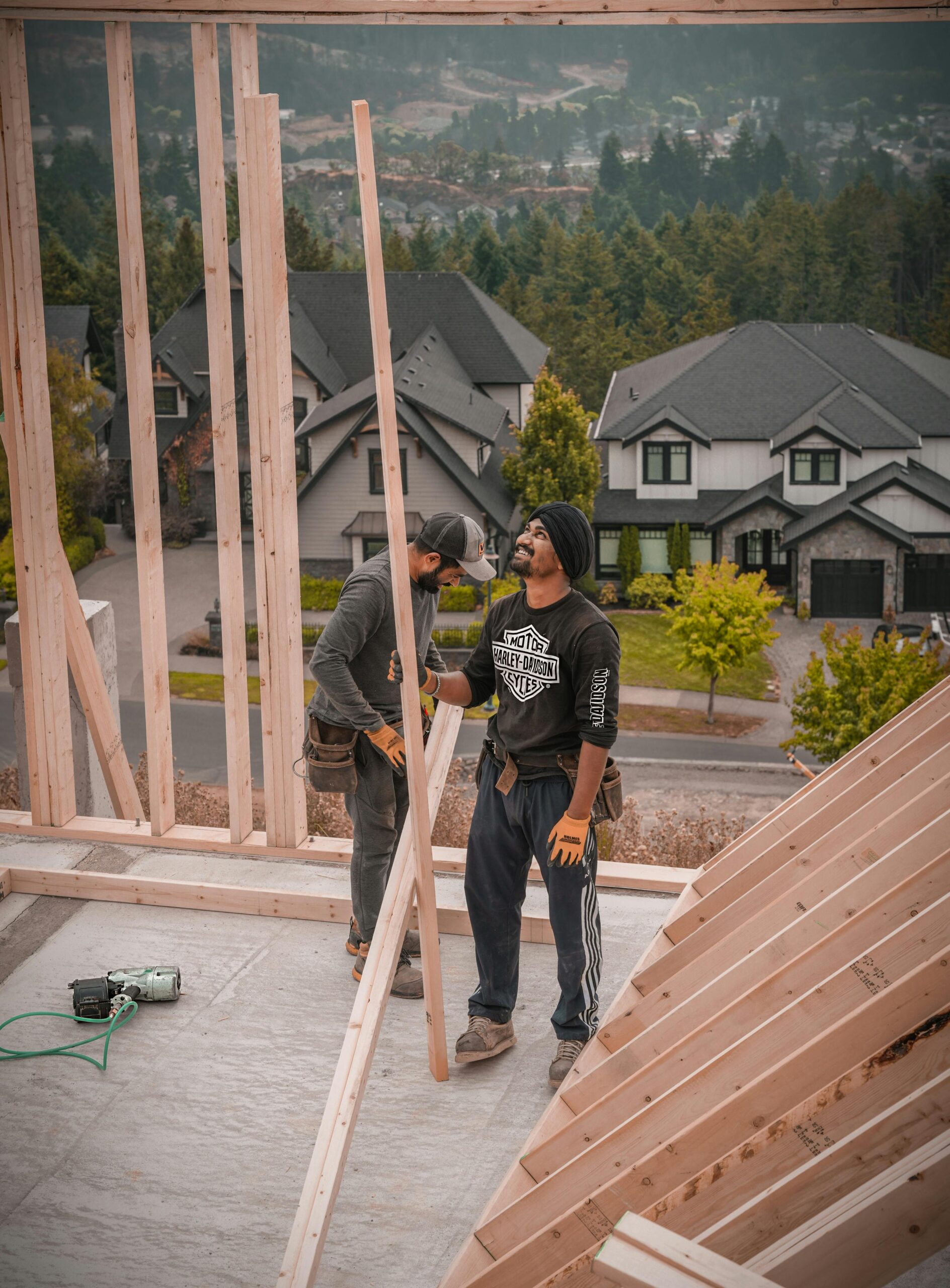
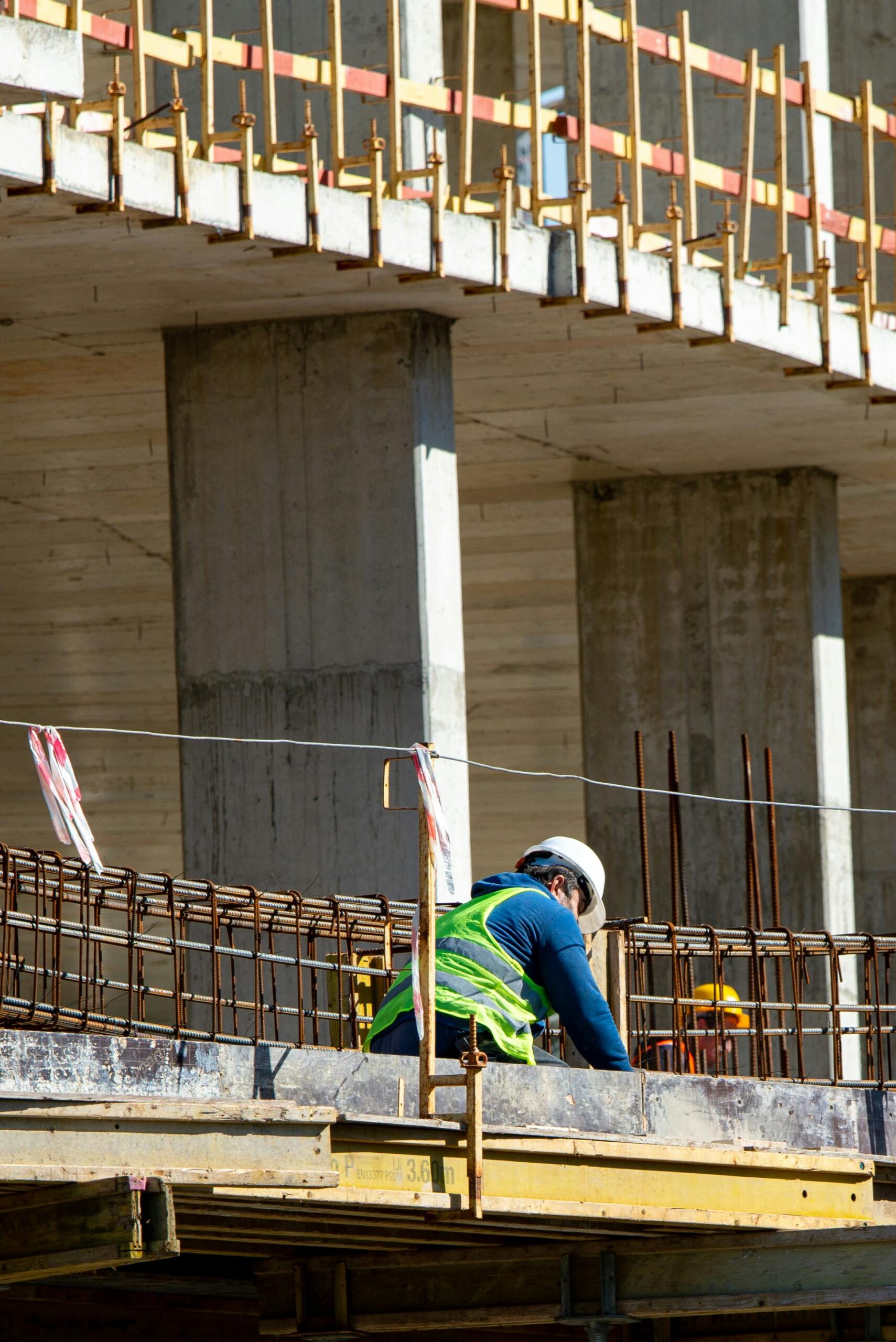
Most subcontractors on site do not know what the builder discussed with the homeowner. Their job is usually to complete their scope, pass inspection, and move to the next project.
That forces builders to depend heavily on the judgment and coordination ability of each individual subcontractor.
Our role is not to replace the architect, designer, or GC.
Our role is coordination.
We help organize project information into clear execution-ready documents before field decisions start getting made by trades independently.
Instead of relying entirely on each subcontractor’s interpretation, the builder can review coordinated solutions first and issue clearer instructions with less guessing, fewer assumptions, and fewer conflicts between trades.The goal is simple:
give builders more control over project execution before problems start compounding in the field.